
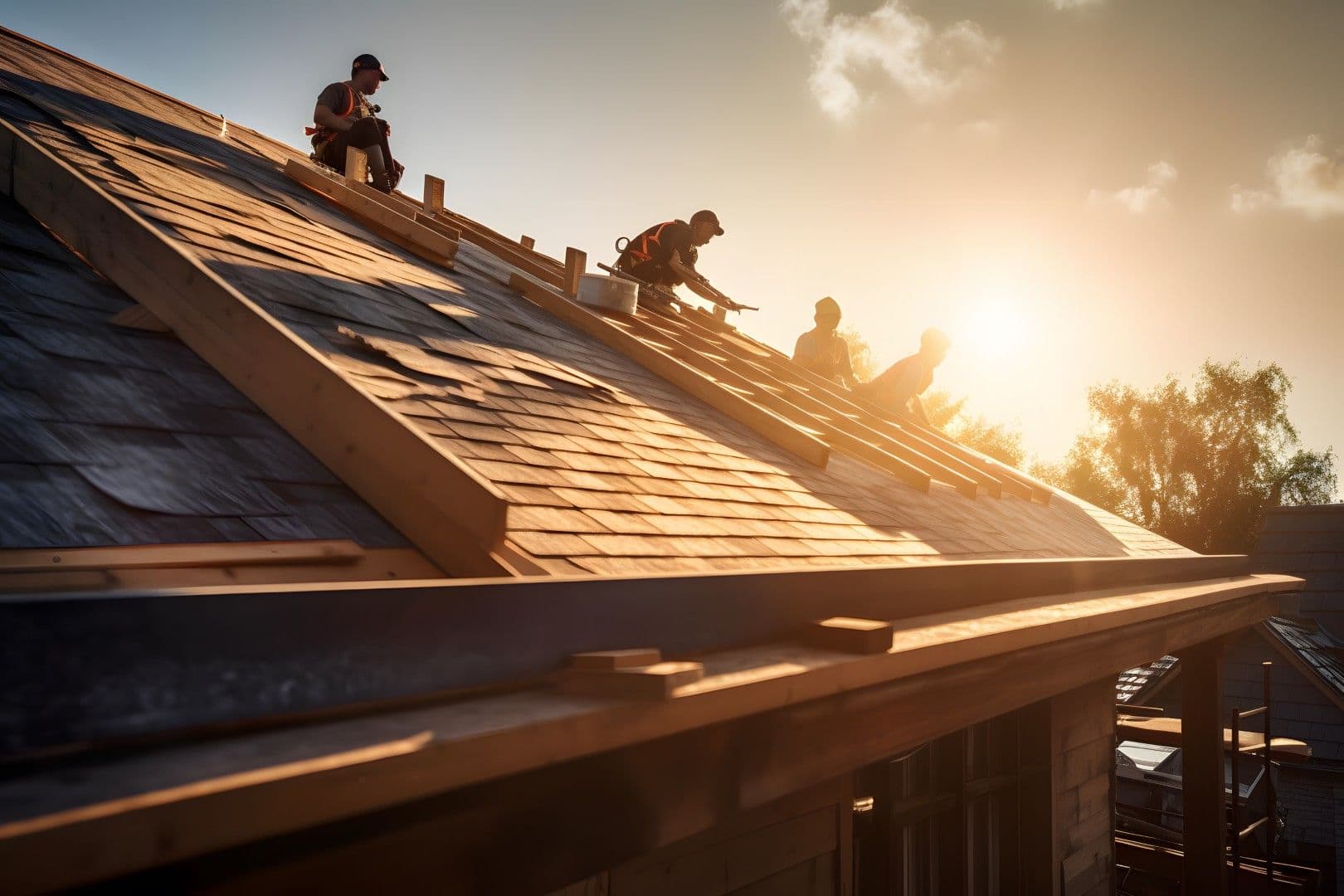
How Much Does Roof Replacement Cost in Bay Area 2026? Detailed Price Guide
April 9, 2026
Dive into the anticipated costs of roof replacement in the Bay Area for 2026, exploring material types, project size, and labor rates. Learn how economic trends and local building codes can impact your budget.
If you own a home in the Bay Area, you’ve probably wondered, How much does roof replacement cost in Bay Area 2026? Full Breakdown. With inflation, changing material prices, and tighter building codes, planning for a new roof isn’t as straightforward as it once was. Whether you’re budgeting for an upcoming project or just curious about market trends, this price guide will walk you through everything you need to know—made for real people, not insurance adjusters.
Why Roof Replacement Costs Matter in the Bay Area
The Bay Area isn’t just famous for fog and tech; it also brings unique challenges to home maintenance. Our Mediterranean climate means roofs have to handle both rainy winters and sunny, dry summers. Add in strict local building codes, a skilled labor shortage, and eco-conscious homeowners, and suddenly, roof replacement becomes as much about planning as it is about protection.
On top of that, your roof is your home’s first line of defense. Delaying replacement could mean water damage, mold, and all sorts of headaches you don’t want. For families, singles, or retirees alike, understanding costs upfront is both a financial and emotional safety net.
Main Drivers of Roof Replacement Cost Bay Area 2026
Let’s break down what really shapes the price tag for a new roof in the Bay Area, so you’re not caught by surprise.
Material Types and Price Differences
In 2026, the roof replacement cost in Bay Area depends a lot on your choice of materials:
Asphalt Shingles: Still the budget-friendly favorite, usually ranging from $7–$10 per square foot installed. Expect an average roof to run $15,000–$25,000.
Architectural Shingles: Slightly thicker and longer-lasting, they’ll bump your cost to about $9–$13 per square foot.
Clay or Concrete Tile: Common in Bay Area Spanish-style homes but heavier and pricier—think $15–$30 per square foot.
Metal Roofing: Sustainable and fire-resistant, but plan for $18–$30 per square foot.
Wood Shake: Aesthetically stunning but high maintenance and typically $15,000–$35,000 for the average roof.
Labor Rates & Local Regulations
Skilled labor is at a premium in the Bay Area. Thanks to a competitive market and ongoing labor shortages, roofing contractors charge more here than in other parts of California. In 2026, labor might account for 40–50% of your project cost. For example, expect to pay $6,000–$12,000 for labor alone on a simple asphalt job.
Don’t forget: Bay Area counties often require specialized permits, energy-efficient materials, and, in some cases, seismic upgrades. These rules don’t just protect your home—they also add to your budget.
Project Size and Complexity
Not all roofs are created equal. Steep slopes, multiple stories, skylights, or solar panels can tack thousands onto your bill. For example, a flat, single-story ranch might cost $20,000, while a sprawling multi-level Tudor could go upwards of $50,000.
How Much Does Roof Replacement Cost in Bay Area 2026? Full Breakdown
Looking for a clear estimate? Here’s an average breakdown by home size for 2026 (these include both materials and labor):
Small (1,200–1,600 sq. ft.): $15,000–$24,000
Medium (1,700–2,400 sq. ft.): $21,000–$38,000
Large (2,500+ sq. ft.): $30,000 and up, with complex roofs or high-end materials exceeding $50,000
If you’re thinking about solar-ready roofs, cool roofs, or green (living) roofs, factor in an extra 15–50% depending on your choice.
Roof Replacement: Practical Tips for Bay Area Homeowners
Getting the best result means a little prep work. Here are a couple of tips to keep your project smooth and within budget:
Compare quotes from at least three local, licensed contractors. Don’t just go with the lowest bid—pay attention to materials and warranties offered.
Check your HOA or city codes for unique requirements (e.g., solar reflectance, fire-resistance ratings).
Bay Area Roof Buying Guide: What to Consider Before Choosing
Not all roofing solutions are ideal for every home or budget. Here’s how to choose wisely:
Quality & Longevity: A lower initial cost isn’t always better. Durable materials like metal or tile last decades longer.
Energy Efficiency: Modern roofs can save you money on cooling costs—look for “Cool Roof” rated systems if possible.
Sustainability: Choose recycled, recyclable, or locally-sourced materials for maximum eco points (and, in some cases, insurance discounts).
Always ask for proof of insurance, local references, and manufacturer-backed warranties for peace of mind.
Conclusion: Plan Ahead for Your 2026 Roof Replacement
Replacing your roof is a big decision, but knowing the numbers and what drives them puts you back in control. If you’re asking, “How much does roof replacement cost in Bay Area 2026? Full Breakdown,” the short answer is: plan for $15,000 on the low end for simple jobs and over $50,000 for big or high-end projects. The best roofs are installed by reputable, insured contractors who understand local requirements and offer clear, written estimates.
Whether you need immediate repairs or are just preparing for the future, getting multiple quotes, checking company credentials, and comparing material types will help you make a smart, confident decision. Curious about the details or ready to take the next step? Start reaching out to local experts now, and protect your home for years to come.
Frequently Asked Questions
The cost of roof replacement in the Bay Area in 2026 depends on several factors, such as the size of the project, the type of roofing materials used, and labor rates. On average, homeowners can expect to pay between $8,500 and $14,000, but this can vary based on specific circumstances.
Factors influencing roof replacement cost in the Bay Area include the type of roofing materials, the size and pitch of the roof, labor rates, and local building codes. Economic trends can also impact costs, so planning ahead is crucial.
Yes, certain roofing materials, such as slate or metal, tend to be more expensive due to their durability and aesthetic appeal. In 2026, economic conditions and supply chain dynamics will also play a role in material pricing.
Local building codes in the Bay Area can affect costs by imposing specific requirements for materials and installation practices, ensuring safety and compliance. Adhering to these regulations can sometimes increase overall expenses.
To reduce roof replacement costs in the Bay Area in 2026, consider getting multiple quotes, selecting cost-effective materials, and scheduling the project during off-peak seasons when labor is less expensive.
Economic trends can significantly impact roof replacement costs in 2026 by influencing material prices, labor availability, and overall demand. Staying informed about market conditions can help you plan and budget accordingly.
Still have questions? Contact our team